


Casino en ligne PayPal : Le Top 10 en 2026
June 9, 2026Mostbet Platformasının Vicdanlı Təhlili – Müsbət və Mənfi Cəhətlər
June 9, 2026Maximizing Portfolio Growth and Asset Security Through a Decentralized Digital Portal for Modern Traders
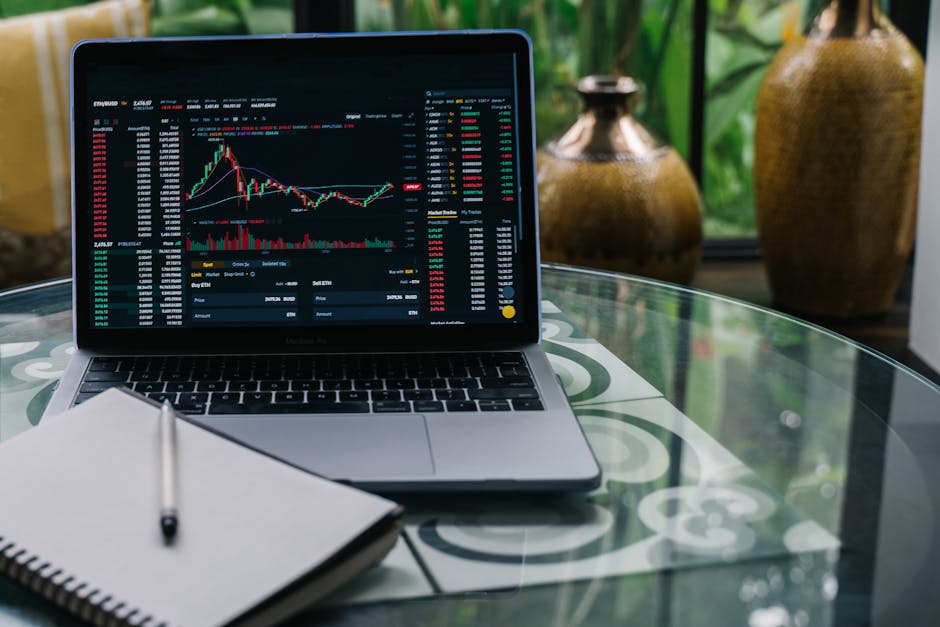
Architecture of a Decentralized Trading Ecosystem
Modern traders face a dual challenge: achieving consistent portfolio growth while protecting assets from centralized exchange risks. A decentralized digital portal addresses this by distributing control across a network, eliminating single points of failure. For instance, using a digital portal built on blockchain technology ensures that trade execution and asset custody remain transparent and immutable. Smart contracts automate settlements, reducing counterparty risk and operational delays.
Security is further enhanced through non-custodial wallets and multi-signature authentication. Traders retain private key ownership, meaning assets are never held by a third party. This architecture prevents unauthorized access and hacks common in centralized platforms. Additionally, data encryption and zero-knowledge proofs protect sensitive trading strategies from exposure.
Performance Optimization via Distributed Ledgers
Decentralized portals leverage layer-2 scaling solutions to process high-frequency trades without congestion. By using off-chain order books with on-chain settlement, latency drops below 100 milliseconds. This allows traders to execute arbitrage and scalping strategies efficiently. Real-time portfolio rebalancing is automated via smart contracts, adjusting allocations based on market conditions without manual intervention.
Strategies for Portfolio Growth in a Decentralized Environment
Yield farming and liquidity mining are core growth drivers. A decentralized portal aggregates pools across multiple protocols to maximize annual percentage yields (APY). Traders can allocate capital to stablecoin pools for low-risk returns or volatile asset pools for higher gains. Automated compounding reinvests rewards, accelerating compound growth.
Diversification is simplified through tokenized index funds. These smart contract-based funds track sectors like DeFi, AI, or green energy, rebalancing automatically. For example, a trader can invest in a single token representing a basket of 20 crypto assets, spreading risk without manual management. Staking mechanisms further generate passive income by locking assets to secure network operations.
Risk Management Tools
Stop-loss orders and position sizing algorithms are integrated directly into the portal. Traders set conditional triggers that execute trades on-chain, preventing slippage. Insurance protocols, such as coverage against smart contract failures, are available for purchase via the portal. These features ensure that growth is not achieved at the expense of catastrophic losses.
Ensuring Asset Security Through Decentralization
Traditional exchanges store user funds in hot wallets, vulnerable to theft. In a decentralized portal, assets are stored in smart contracts with time-locks and multi-sig requirements. Withdrawal limits and whitelisting of addresses add additional layers. Audits of smart contracts by third-party firms are publicly available, enabling traders to verify code integrity.
Identity protection is paramount. Decentralized portals use self-sovereign identity (SSI) systems, allowing traders to verify credentials without sharing personal data. KYC processes are optional and handled via zero-knowledge proofs. This reduces the risk of data breaches and identity theft. Furthermore, governance tokens enable community oversight of protocol upgrades, preventing malicious changes.
FAQ:
How does a decentralized portal prevent hacking?
It uses non-custodial wallets, multi-sig authentication, and smart contract time-locks. Funds are never held on a central server, and all transactions require private key approval.
Can I trade high-frequency strategies on a decentralized platform?
Yes. Layer-2 solutions and off-chain order books reduce latency to under 100 ms, supporting scalping and arbitrage. Settlement remains on-chain for security.
What are the risks of yield farming in a decentralized portal?
Risks include impermanent loss, smart contract bugs, and protocol insolvency. Use audited pools, diversify across strategies, and set stop-loss triggers to mitigate these.
Do I need to complete KYC to use a decentralized portal?
No. Most decentralized portals allow anonymous trading using self-sovereign identity. Optional KYC may be required for high-value withdrawals or fiat on-ramps.
How are portfolio rebalancing decisions automated?
Smart contracts monitor predefined triggers like price deviations or time intervals. They execute swaps across liquidity pools to maintain target allocations without manual input.
Reviews
Elena R.
I switched from a centralized exchange to this portal six months ago. My portfolio grew 34% through automated yield farming, and I sleep better knowing my keys are mine.
Marcus T.
The multi-sig security saved me when a phishing attempt targeted my account. The portal blocked the withdrawal because it required my second signature. Excellent protection.
Priya K.
I use the index fund feature to track DeFi tokens. Rebalancing is automatic, and I saved hours of manual work. The APY is consistently higher than my previous broker.

